


Meditation: Benefits and How to Do It
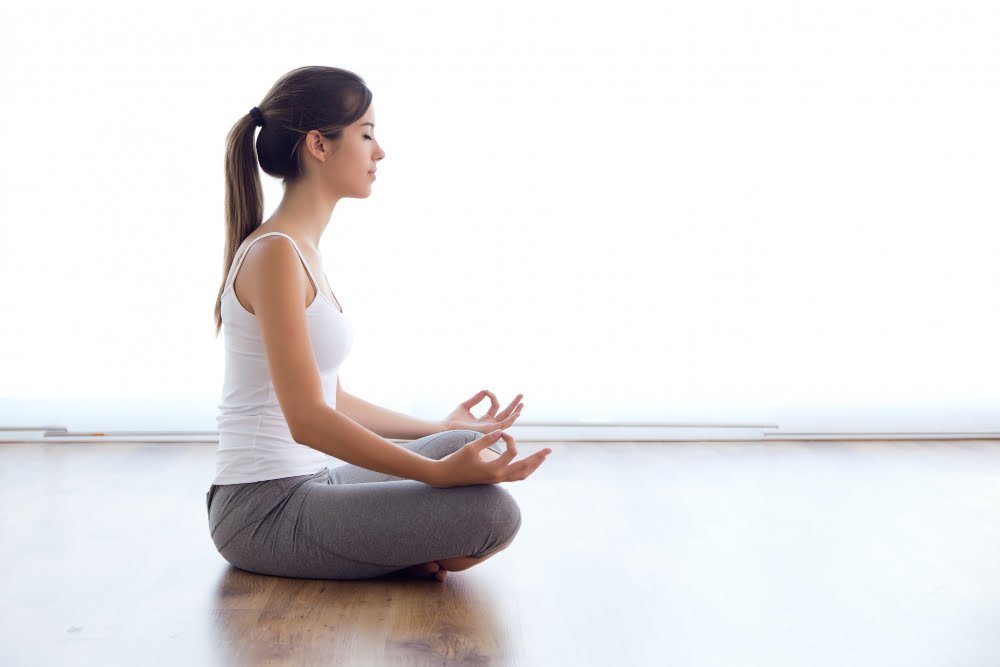
In the busyness of modern life filled with pressure and distractions, meditation is needed as a solution to find peace and life balance. This ancient practice is now supported by various scientific studies that prove its benefits for physical and mental health.
If you’re interested in starting your meditation journey or want to improve your existing practice, this article will guide you in understanding the correct and effective way to meditate.
What Is Meditation?
Meditation is the practice of training the mind to focus and direct attention, usually with the aim of achieving a calm and clear state. Contrary to popular belief, meditation is not about completely emptying the mind or stopping all thoughts. Instead, meditation is about developing awareness of the present moment and changing our relationship with the thoughts that arise.
In practice, meditation has various approaches, ranging from breathing meditation, mindfulness, body scan, to loving-kindness meditation. Although the techniques differ, all types of meditation have something in common: training focus and self-awareness.
Recent research from Mount Sinai shows that meditation stimulates changes in deep brain areas, specifically in the amygdala and hippocampus, parts that control emotions and memory. This explains why meditation has a significant positive impact on our mental health.
Benefits of Meditation for Physical and Mental Health

Image from Freepik
Physical Health Benefits
Meditation provides real impact on your physical health. Research published in PubMed Central (2023) shows that meditation effectively boosts the immune system and reduces inflammatory processes by lowering cytokine levels. This study also found that meditation helps proper telomere regulation, which means the aging process can be slowed as cell lifespan tends to increase.
Specific physical benefits include:
- Lowering blood pressure. Meditation has been proven to improve systolic and diastolic blood pressure, very beneficial for people with hypertension.
- Managing chronic diseases. Helps overcome diabetes, fibromyalgia, and various other multifactorial diseases.
- Improving heart health. Lowers cholesterol levels and increases HDL (good cholesterol).
- Improving brain circulation. Vanderbilt Health research (2024) found that meditation increases cerebrospinal fluid circulation, helping the brain’s waste removal system like during sleep.
Interestingly, these benefits can be obtained with just 10 minutes of daily practice. A study from the University of Bath (2024) involving 1,247 adults from 91 countries showed that short meditation sessions of 10 minutes per day can increase well-being, reduce depression and anxiety, and motivate healthier lifestyle choices.
Mental Health Benefits
The impact of meditation on mental health is equally impressive. A meta-analysis involving nearly 1,300 adults found that meditation can significantly reduce anxiety, with the strongest effects on those with the highest anxiety levels.
Mental benefits include:
- Reducing stress and anxiety. Lowering physiological stress markers such as increased cortisol and heart rate.
- Overcoming depression. The positive emotions brought by meditation help overcome various mental problems.
- Improving focus and concentration. Training the mind’s ability to stay present in the moment.
- Improving sleep quality. Helping to calm the mind and promote healthier sleep patterns.
- Managing PTSD. Helping individuals with post-traumatic stress disorder and social anxiety disorder.
Experience the Benefits of Meditation with Professional Guidance
How to Meditate Correctly
Starting meditation is actually simpler than you imagine. Here is a step-by-step guide for beginners:
1. Choose the Right Time and Place
Time
Consistency is more important than duration. Choose the same time every day, either in the morning before your mind becomes too active, or at night to release tension
Place
Find a quiet location free from distractions. It could be a comfortable corner at home, office, or a natural place that makes you feel safe to close your eyes
Duration
Start with 5-10 minutes per day. Consistency of 5 minutes every day is better than 30 minutes once a week
2. Comfortable Position
There is no “correct” position in meditation. What matters is that you feel comfortable and can maintain an upright posture:
- Sit cross-legged on the floor with a meditation cushion or towel
- Sit in a chair with feet flat on the floor
- Lie down (if you don’t fall asleep easily)
- Wear loose and comfortable clothing
- Use a thin blanket if the room is cold
3. Basic Breathing Meditation Technique
This is the most fundamental technique and suitable for beginners:
Steps:
- Close your eyes gently
- Breathe naturally, don’t try to control the speed or intensity
- Focus attention on your breath: feel the air enter through your nose, down to your lungs, then out again
- Silently say “breathe in” when inhaling and “breathe out” when exhaling
- Count breaths: “one” when inhaling, “two” when exhaling. Repeat up to count 10, then start again from one
4. Body Scan Technique
This technique helps you connect with your body:
- Start from the crown of your head
- Slowly move attention downward, starting from eyebrows, eyes, ears, nose, mouth, throat
- Spend about 20 seconds on each body part
- Notice any sensations without trying to change them
- Continue down to your toes
5. Accept Wandering Thoughts
This is the most important aspect of meditation:
- Thoughts will definitely wander, this is normal and happens to everyone, even experienced meditators
- When you realize your mind has wandered, smile and gently return attention to your breath
- Don’t judge yourself. The process of bringing attention back is the actual “practice”
- Every time you successfully notice your mind wandering and bring it back, you are strengthening your awareness “muscle”
6. End the Session Properly
- Don’t end meditation too abruptly
- Stop repeating words and focus on breath, but stay in the same position with eyes closed for 1-2 minutes
- Slowly open your eyes
- Sit for a moment before standing
- This provides a calm transition to the next activity
Common Mistakes When Meditating
Understanding common mistakes will help you avoid frustration and make your meditation practice more effective:
1. Expecting an Empty Mind
Thinking that meditation means stopping all thoughts or achieving a completely empty mind state is a misconception.
Our brain is a “thought factory” that cannot be turned off. The goal of meditation is not to stop thoughts, but rather to change our relationship with those thoughts. Thoughts that come and go are a normal part of meditation.
2. Judging the Quality of Each Session
We shouldn’t feel frustrated and consider a meditation session “failed” if the mind is very busy or you feel restless.
Every meditation session is beneficial, regardless of how it feels at the time. Even sessions where your mind is like a pinball machine are when you get the most mental training. You learn to observe mental chaos without being carried away by it, a very valuable life skill.
3. Being Inconsistent
Meditating randomly without a fixed schedule, or starting with overly ambitious targets (like 60 minutes right away) then giving up is often done by beginners.
The solution:
- Consistency is more important than duration
- Write meditation schedule in your calendar
- Start with 5 minutes and increase gradually
- Meditating at the same time every day helps form a habit
- Remember: five minutes every day is better than 30 minutes once a week
4. Uncomfortable Position
Sometimes beginners force themselves to sit cross-legged if it causes cramps or discomfort, or think they must use a perfect yoga position.
There is no “correct” position in meditation. Choose a position you can maintain comfortably, such as sitting in a chair, lying down, or cross-legged with a cushion. Wear comfortable and loose clothing.
5. Wrong Meditation Time
Choose a time that allows you to feel calm and centered. Experiment with different times, perhaps morning to start the day clearly, or afternoon/evening to release tension.
6. Over-Analyzing
Being too busy analyzing whether you’re doing it correctly can keep the mind active and hinder the meditation process.
Trust the process. There is no wrong way to meditate. What matters is that you make time for the practice. Be kind to yourself, as you would treat a good friend.
7. Expecting Quick Results
Expecting drastic changes after the first few sessions and giving up when you don’t see instant results.
Meditation is a lifelong practice, not a goal that can be achieved in a few weeks. Its benefits often appear outside the practice itself, you might notice becoming less reactive to stress, more patient in difficult conversations, or falling asleep more easily. These changes are subtle and gradual.
Actually, there are no true mistakes in meditation. Everything that happens, such as satisfying sessions, disappointing sessions, calm thoughts, chaotic thoughts, all are part of your practice. Accept this reality, and you are already on the right path to a lifelong meditation practice.
Start Your Meditation Journey Today
Are you ready to transform your life through meditation? At Caring Nature, we provide:
- Meditation programs with experienced instructors
- Group classes to share experiences with a supportive community
- Private sessions tailored to your personal needs and goals
- Mindfulness workshops to deepen various meditation techniques
Contact Caring Nature today to start your meditation journey. Our professional team is ready to guide you in finding inner peace and the life balance you seek.
Don’t let life’s busyness hinder your well-being. Take time for yourself, and let meditation bring positive changes to your life, one breath at a time.