


Understanding Chakras and Their Types to Maintain Inner Balance
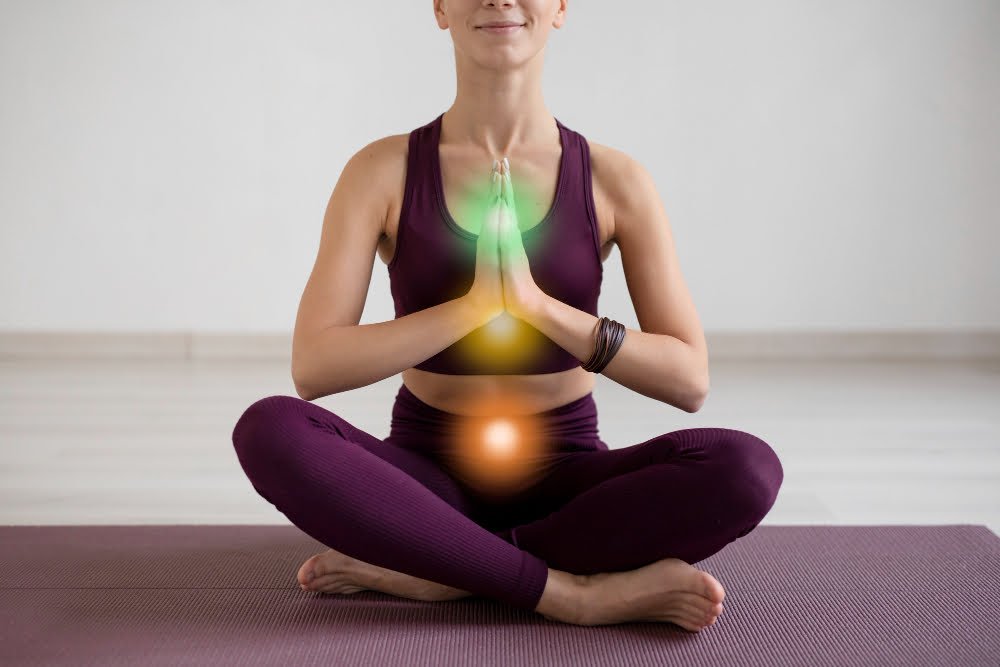
A chakra is an energy center within the human body that is believed to influence physical, emotional, and spiritual balance. The concept comes from ancient Indian traditions, especially yoga and Ayurveda.
When energy flows smoothly through the chakras, the body and mind function in harmony. On the other hand, imbalance or a blockage in one of the chakras may affect emotional wellbeing and overall health.
Want to learn more about chakras? Below, Caring Nature explains the concept in detail, including the different types, their functions, and how to keep your chakras balanced. Let’s explore together.
Read also: Understanding Vedic Astrology: Ancient Wisdom for Modern Life
What Is a Chakra?
A chakra is a concept from Hindu and Buddhist spiritual traditions that refers to a “wheel” or “energy vortex.” Chakras are considered energy centers in the human body that influence physical, emotional, and spiritual states.
Chakra energy needs to flow in a balanced way. When one becomes blocked, it is believed to affect health or mood.
According to Schneider and Cooper (2019), the idea of chakras originated in the Vedic tradition that emerged thousands of years ago. This tradition was also the first to introduce the philosophy of yoga.
In ancient teachings, the chakra system is described as a network of subtle energy that connects the physical body with the spiritual body. Each chakra has its own meaning and function, ranging from the root chakra, which relates to stability and a sense of safety, to the crown chakra, which is linked to higher consciousness and spiritual connection. This understanding has continued to develop in meditation practices, holistic healing, and modern mindfulness.
The Seven Main Chakras
There are seven main chakras:
1. Root Chakra (Muladhara)
- Color: Red
- Location: Base of the spine
The root chakra is located at the base of the spine and is associated with safety, physical needs, and life stability. Its energy helps a person feel grounded and strong when facing challenges.
When the root chakra is balanced, a person tends to feel calm and confident. When it is out of balance, it may cause anxiety, insecurity, or excessive fear about the future.
2. Sacral Chakra (Svadhisthana)
- Color: Orange
- Location: Lower abdomen
The sacral chakra sits in the lower abdomen and is connected to creativity, emotions, and pleasure. When its energy is healthy, a person becomes more expressive, creative, and emotionally connected. Imbalance in this chakra may trigger mood swings, lack of motivation, or difficulty finding joy in daily activities.
3. Solar Plexus Chakra (Manipura)
- Color: Yellow
- Location: Upper abdomen
Located around the stomach area, the solar plexus chakra acts as the center of personal power, confidence, and self-control. Individuals with a balanced chakra tend to be bold, assertive, and secure in their abilities. Imbalance can cause low self-esteem, doubt, and difficulty making decisions.
4. Heart Chakra (Anahata)
- Color: Green or pink
- Location: Center of the chest
The heart chakra is found in the center of the chest and represents love, empathy, and the ability to give and receive affection. When balanced, a person can feel genuine love and easily empathize with others. When disrupted, it may lead to jealousy, distrust, or emotional withdrawal.
5. Throat Chakra (Vishuddha)
- Color: Blue
- Location: Throat
The throat chakra is located in the neck area and is linked to communication and self-expression. A balanced chakra helps a person speak truthfully, clearly, and confidently. Imbalance can cause difficulty expressing thoughts, fear of speaking, or frequent misunderstandings.
6. Third Eye Chakra (Ajna)
- Color: Indigo
- Location: Forehead
The third eye chakra is located between the eyebrows and serves as the center of intuition, inner wisdom, and deep understanding.
When balanced, it helps a person think clearly, stay focused, and make decisions guided by intuition. Imbalance may result in confusion, overthinking, or a lack of direction.
7. Crown Chakra (Sahasrara)
- Color: Purple or white
- Location: Top of the head
The crown chakra sits at the top of the head and represents spirituality and higher consciousness. Its energy helps a person feel connected to themselves and the world on a deeper level.
When balanced, it brings peace, clarity, and a sense of life purpose. When out of balance, a person may feel empty, disconnected, or spiritually lost.
The Function of Chakras
Chakras function as subtle energy centers that regulate a person’s physical, emotional, and spiritual balance. Each chakra channels energy to specific parts of the body and psychological aspects, and when this energy flows smoothly, a person feels healthier, more stable, and more aligned with themselves.
The main function of the chakras is to keep the energy moving freely so that the body and mind work optimally. When a chakra becomes blocked or unbalanced, it may influence mood, thought patterns, physical health, and even relationships with others.
In traditional practices such as meditation, yoga, and holistic healing, chakras are considered essential elements for achieving complete wellbeing.
Yoga Classes for a More Balanced Body and a Calmer Mind
Maintaining Chakra Balance
Here are several ways to keep your chakras balanced:
1. Focused Meditation
Focused meditation is a technique where you direct your attention to a single point, such as your breath, a light, a sound, or a visual image. The goal is to calm the mind and open the flow of energy in the body.
In chakra practice, meditation is done by visualizing a specific energy center while guiding your breath and intention to that area. This helps stabilize emotions, reduce stress, and strengthen self-awareness so the energy in each chakra can flow more evenly.
2. Yoga Practice
Yoga involves a combination of physical postures, breathing techniques, and mindful awareness. Each posture is designed to stimulate certain parts of the body, which can help open or rebalance a chakra that is out of alignment.
For example, standing poses help strengthen the root chakra, while chest-opening poses like Camel Pose support heart chakra balance. With consistent practice, the body becomes more flexible, the mind calmer, and energy flows more smoothly.
3. Breathing Techniques
Breathing techniques, or pranayama, involve controlling the breath to support both physical and mental wellbeing. Breath is considered a carrier of vital energy, so pranayama helps cleanse energy pathways and enhance chakra balance.
Techniques such as Nadi Shodhana calm the nervous system, while Kapalabhati stimulates the solar plexus chakra. Steady breathing also improves focus and reduces anxiety.
4. Inner Child Healing
Inner child healing is the process of recognizing, understanding, and healing emotional wounds from childhood. Many chakra imbalances, especially in the sacral, solar plexus, and heart chakras, stem from unresolved past experiences.
Through inner child work, a person learns to accept themselves, overcome fear, and break unhealthy emotional patterns. This may involve self-reflection, journaling, visualization, or working with a therapist.
5. Sound Healing and Mantra
Sound healing uses sound vibrations from tools such as singing bowls, gongs, or specific tones to create resonance that soothes the nervous system.
In chakra traditions, mantras—particularly bija mantras like “LAM,” “YAM,” or “OM”—are used to stimulate specific chakras through sound frequency.
These vibrations are believed to release tension, calm the mind, and open blocked energy. This practice is often used in meditation and holistic healing sessions.
Read also: What is an Ayurvedic Diet? Discover the Ancient Way to Wellness
Find Inner Harmony at Caring Nature
Caring Nature is a wellness center in Jakarta offering holistic therapies designed to help balance and harmonize your chakras. Through a combination of guided meditation, energy healing, sound therapy, and structured relaxation techniques, Caring Nature supports the release of energy blockages that may affect your physical or emotional wellbeing.
Each session is personalized to meet your needs, allowing your energy to flow freely once again. You will experience deeper calmness, mental clarity, and renewed vitality. With the guidance of experienced therapists, the healing process becomes gentle, safe, and transformative.