

How to Become a Yoga Instructor: A Complete Guide and Process
In Indonesia, yoga has become more than just a fitness trend—it has become a lifestyle that brings physical, mental, and spiritual balance.
For those who have experienced the extraordinary benefits of yoga practice and want to share this experience with others, becoming a yoga instructor can be a career path worth pursuing.
However, the journey to becoming a professional yoga instructor requires dedication, proper training, and a deep understanding of yoga philosophy and techniques. Through this article, we will provide a comprehensive overview of the process of making your dream of becoming a quality yoga instructor a reality.
Understanding the Role of a Yoga Instructor
Before embarking on the journey to become a yoga instructor, it’s important to understand that this role is not just about leading physical movements. A yoga instructor is a holistic guide who is responsible for the wellbeing of their students.
The main responsibilities of a yoga instructor encompass physical, mental, and emotional aspects:
1. Teaching Asanas Safely and Effectively
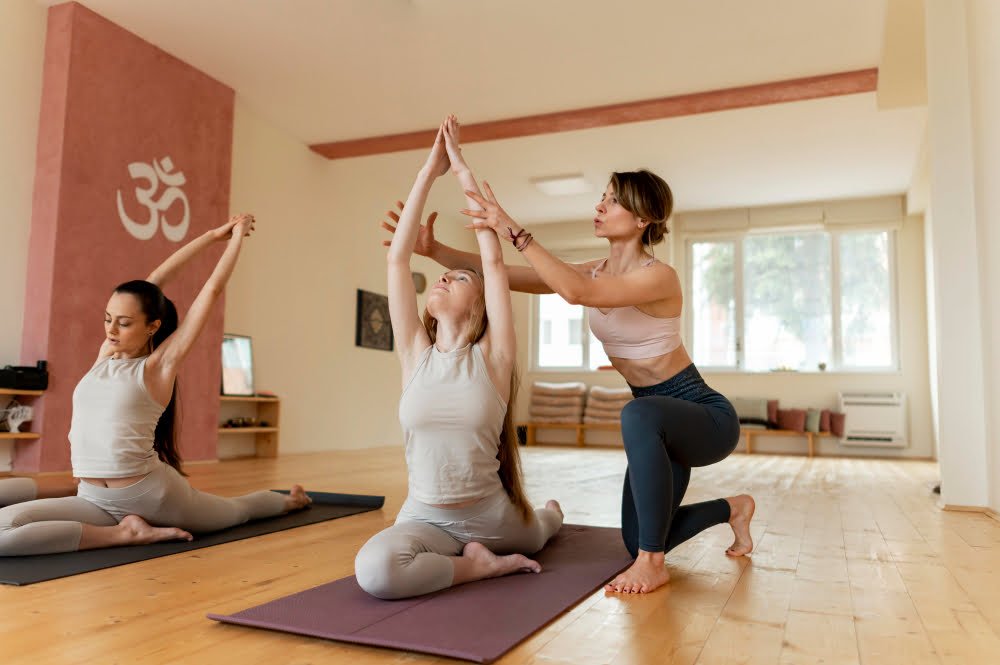
Yoga instructors must master various postures (asanas) and be able to teach them with proper technique. This includes providing modifications for various skill levels, preventing injuries, and helping students achieve proper alignment. Knowledge of body anatomy is crucial in this aspect.
2. Guiding Breathing Practice (Pranayama)
Breathing is the core of yoga practice. Instructors must understand various pranayama techniques and how to integrate them into classes to help students manage stress, improve focus, and deepen their practice.
3. Creating a Safe and Inclusive Environment
The yoga classroom should be a place where everyone feels accepted, regardless of age, body shape, gender, or ability level. Instructors are responsible for creating a supportive atmosphere free from judgment.
4. Understanding and Teaching Yoga Philosophy
Yoga is not just about moving the body, but also about a life philosophy that includes yamas and niyamas (ethical principles), meditation, and the development of self-awareness. Good instructors are able to convey this spiritual aspect in ways that are relevant and understandable to their students.
Read also: Understanding Ayurveda Treatment and Its Benefits
Steps to Become a Yoga Instructor
The journey to becoming a yoga instructor requires commitment of time, energy, and resources. Here are the steps you need to go through:
1. Building a Personal Yoga Foundation
Before teaching others, you must have a solid foundation in yoga practice. Experts recommend a minimum of 1-2 years of consistent yoga practice before considering instructor training. This period allows you to:
- Try various yoga styles (Hatha, Vinyasa, Ashtanga, Yin, Restorative, and others)
- Understand your own body and how different asanas affect you
- Develop a routine practice discipline
- Experience the personal transformation that occurs through yoga
This deep personal practice will become a source of wisdom and authenticity in your future teaching.
2. Enrolling in a Yoga Teacher Training Program (YTT)
The most important step is to enroll in an accredited Yoga Teacher Training (YTT) program.
200-Hour Program (RYT-200)
This is the basic level for becoming a certified yoga instructor. The 200-hour program includes:
- Techniques, training, and asana practice (100+ hours)
- Teaching methodology (25+ hours)
- Anatomy and physiology (20+ hours)
- Yoga philosophy, lifestyle, and ethics (30+ hours)
- Practicum (10+ hours of teaching under supervision)
- Remaining time for electives and independent study
This program typically runs 3-6 months (for part-time programs) or 3-4 weeks intensive.
When choosing the right YTT program, you need to consider the following factors:
- Accreditation
Ensure the program is registered with Yoga Alliance or a recognized organization
- Yoga Style
Choose a program that aligns with the yoga style you want to teach
- Instructors
Research the background and experience of the lead instructors
- Curriculum
Ensure the program covers all necessary aspects including anatomy, philosophy, and teaching practice
- Format
Determine whether you’re better suited to an intensive, weekend, or online program
- Cost
YTT programs range from tens to hundreds of millions of rupiah, depending on location and format
3. Obtaining Certification and Registration
After completing a 200-hour program from a Yoga Alliance-accredited school (RYS-200), you can register as a Registered Yoga Teacher (RYT-200) with Yoga Alliance. This registration provides professional credibility and is internationally recognized.
4. Starting to Teach and Gaining Experience
After certification, it’s time to start teaching. This initial step can be challenging, but is crucial for your development:
1. Start with Free or Volunteer Classes
Many new instructors start by teaching friends, family, or free community classes to build confidence and gain experience.
2. Teaching at Yoga Studios or Fitness Centers
Apply for instructor positions at yoga studios, gyms, or wellness centers. While large studios may require experience, smaller or newer studios are often open to new instructors.
3. Developing Private Classes
Private classes allow you to work more deeply with individuals and build a loyal client base.
4. Document and Reflect
Record your teaching experiences, what worked, challenges faced, and areas for improvement. This reflection is invaluable for professional growth.
Career Opportunities and Personal Development for Yoga Instructors
Becoming a yoga instructor opens various flexible and fulfilling career paths. The global wellness industry continues to grow, and the demand for quality yoga instructors keeps increasing. What’s important is that you have the intention to continue developing. The journey as a yoga instructor is a lifelong learning journey.
Conclusion
Becoming a yoga instructor is a transformative journey that allows you to share the gift of yoga with others while continuing to grow personally and professionally. Although it requires dedication, time investment, and financial commitment, the satisfaction that comes from helping others find health, balance, and peace through yoga is a priceless gift.